


Municipal Success Stories
A Synthetic Ice Rink for Municipalities: The St. Louis (US) Success Story
How a city turned a synthetic ice rink into a profitable, sustainable, and massively attended winter attraction.
During one of its recent Winterfest editions, the city of St. Louis (Missouri) installed a synthetic ice rink next to the Gateway Arch. The result: over 10,000 attendees, extensive media coverage, and a clear boost to community engagement, all aligned with the city's sustainability goals. Here is the story and the numbers behind the project.
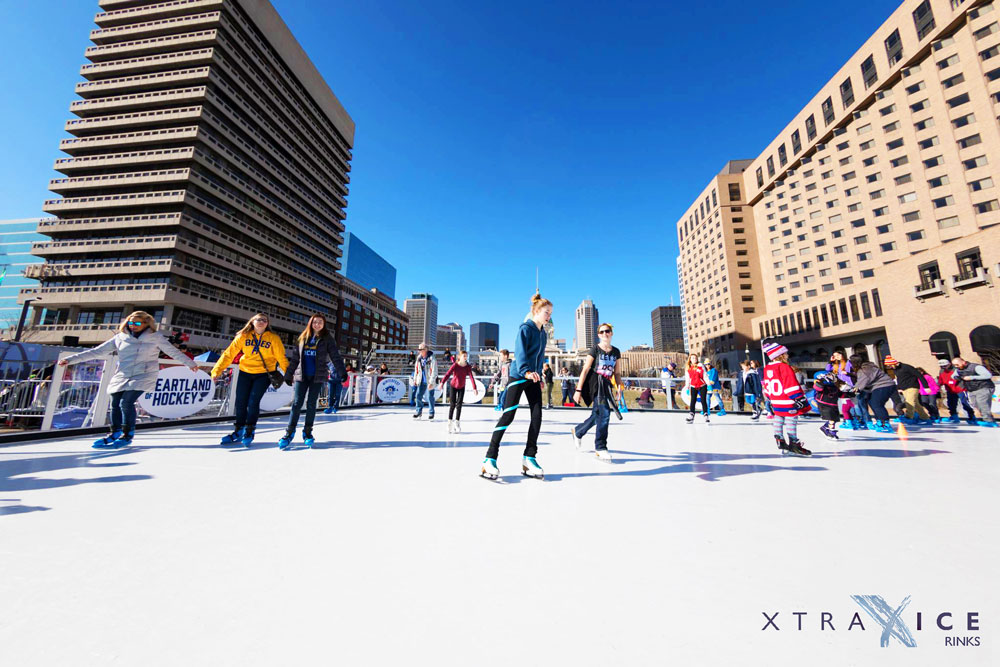
Looking for a way to energize your community, attract tourism, and promote sustainability? Installing a synthetic ice rink for municipalities might be the answer. This article explores a real success story that proves how impactful and accessible this solution can be for cities of any size.
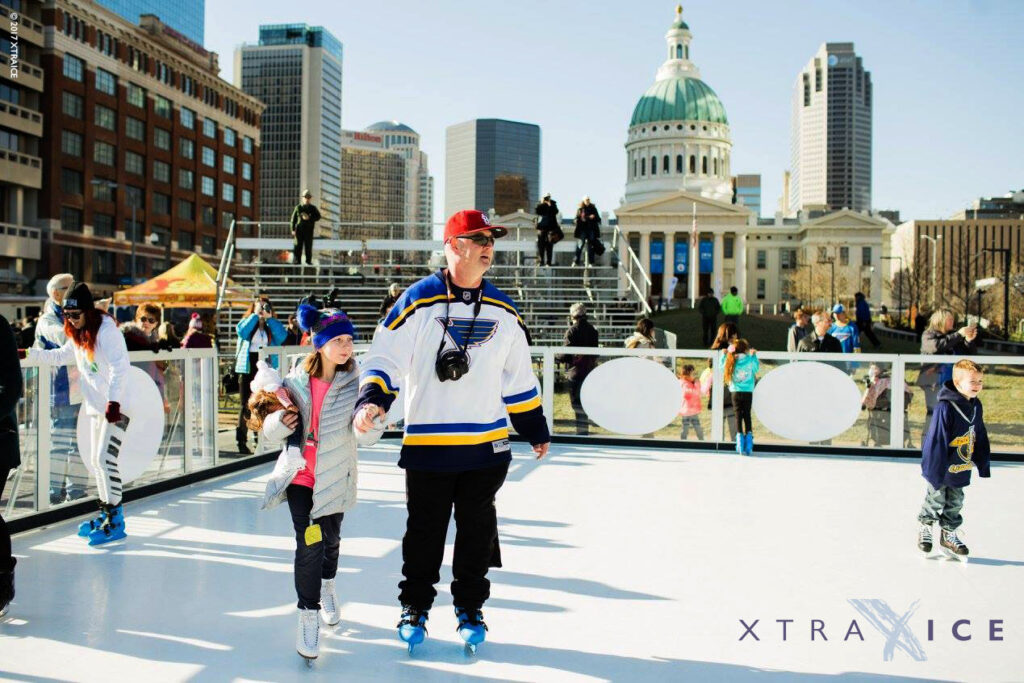
That's exactly what St. Louis, Missouri did during one of its recent Winterfest editions — and the outcome was remarkable. The city partnered with Xtraice to install a synthetic ice rink right next to the iconic Gateway Arch, turning the space into a lively attraction and a symbol of innovation. The result? Thousands of visitors, extensive media coverage, and a strong boost in community engagement, all while aligning with the city's sustainability goals.
A Sustainable and Affordable Community Asset
While traditional ice rinks require constant refrigeration, energy consumption, and high maintenance costs, synthetic ice offers a completely different approach. The St. Louis project allowed the city to save approximately 7,130 gallons of water, 11,200 kWh of electricity, and 11 tons of CO₂ emissions over the course of the event — significant environmental benefits that aligned perfectly with the city's long-term climate objectives. In a world where municipalities are increasingly focused on green public infrastructure, synthetic ice rinks present a compelling solution that combines environmental responsibility with community fun.
A Full Calendar of Community Events
Beyond the numbers, what made the project a true municipal success story was the way it brought people together. The rink hosted a variety of activities that catered to all ages. The opening ceremony, organized in collaboration with the St. Louis Blues NHL team, featured skating with mascot Louie, autograph signings, and giveaways. One of the highlights was the New Year's Eve celebration, which included fireworks and became the event's busiest day, drawing 754 skaters. Additional programming like street hockey tournaments and Try-Hockey-for-Free sessions for children made the space truly inclusive and multi-purpose.
Local Fame and Media Attention
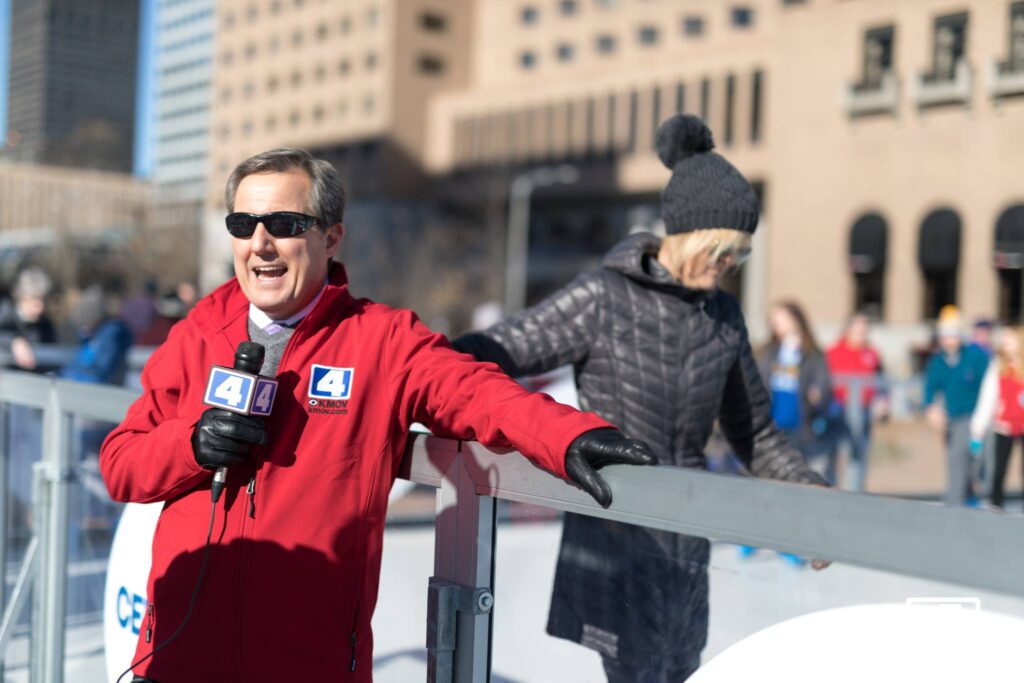
The media impact was equally impressive. Local TV stations broadcasted live from the event, while regional newspapers and online platforms featured the rink prominently. Social media played a key role as well, with families and influencers sharing their experiences — skating outdoors without cold weather or power-hungry refrigeration systems became a visual and emotional hook that resonated widely. As a result, the city of St. Louis wasn't just offering entertainment — it was reinforcing its brand as an innovative, family-friendly, and sustainable destination.
How to Get Started with Xtraice and Bring a Synthetic Ice Rink to Your Municipality
The success of this installation shows what's possible when cities think creatively about public space and community programming. Whether you're planning a winter festival, looking to revitalize a town center, or simply want to offer a unique attraction to residents, a synthetic ice rink for communities can be a strategic and impactful investment. It drives tourism, supports local businesses, encourages healthy outdoor activity, and can be tailored to both temporary and year-round use.
Let Your Municipality Be the Next Success Story
St. Louis is just one example of how a synthetic ice rink for municipalities can turn into a lasting, memorable, and profitable project. With the right support and vision, your community could be the next success story.
The St. Louis Case, By the Numbers
- Dates: December 27 – January 8.
- Total skaters: 4,806 (average 360 per day).
- Rink size: 4,200 sq ft (about 390 m²).
- Skate rental: $12 adults, $7 children under 10.
- Total event attendance: over 10,000 people.
- Environmental savings: 7,130 gallons of water, 11,200 kWh of electricity, and 11 tons of CO₂.
| Dimension | Traditional ice rink | Xtraice rink at St. Louis |
|---|---|---|
| Water consumption | Thousands of litres for flooding and resurfacing | 0 — 7,130-gallon saving vs. traditional |
| Electricity consumption | Chillers and compressors running continuously | 11,200 kWh saved during the event |
| CO₂ emissions | Tied to continuous energy consumption | 11 tons of CO₂ avoided |
| Programming | Limited by controlled climate and logistics | NHL ceremony, New Year's Eve, street hockey, Try-Hockey-for-Free |
| Media reach | One-off coverage | Live local TV + regional press + social media |
Frequently Asked Questions
Why would a municipality choose synthetic ice over traditional ice?
Because it eliminates refrigeration costs, heavy water and electricity consumption, and the seasonal calendar of a traditional rink. In the St. Louis case, the event saved 7,130 gallons of water, 11,200 kWh, and 11 tons of CO₂.
How big was the rink at the St. Louis Winterfest?
The rink measured 4,200 sq ft (about 390 m²), large enough to handle an average of 360 skaters per day.
What supporting programming worked best?
The opening ceremony with the St. Louis Blues (NHL) and mascot Louie, the New Year's Eve celebration with fireworks (754 skaters in a single day), street hockey tournaments, and the free Try-Hockey-for-Free sessions for children.
Is this feasible for mid-size or small municipalities?
Yes. The modularity of synthetic ice lets the rink be sized to a municipality's real needs, with temporary or permanent installations and no investment in refrigeration infrastructure.
What kind of return can a municipality expect?
Beyond direct revenue from skate rentals and admissions, the return comes from tourism, downtown revitalization, media coverage, and a stronger city brand. St. Louis drew over 10,000 attendees and regional coverage during the event.