


Trends / Innovation
Synthetic Ice Trends for 2026: The Future of Skating and Curling
Six trends shaping the evolution of synthetic ice this 2026, from sustainability to augmented reality.
The world of synthetic ice continues to evolve, and 2026 promises to be a year full of innovations and new opportunities for skating and curling. As more cities, sports centers, and events seek sustainable alternatives, six trends will shape the future of the industry: greater realism in the ice surface, curling expanding into new markets, events in unconventional spaces, innovation in equipment, a stronger focus on sustainability, and integration with digital technology.
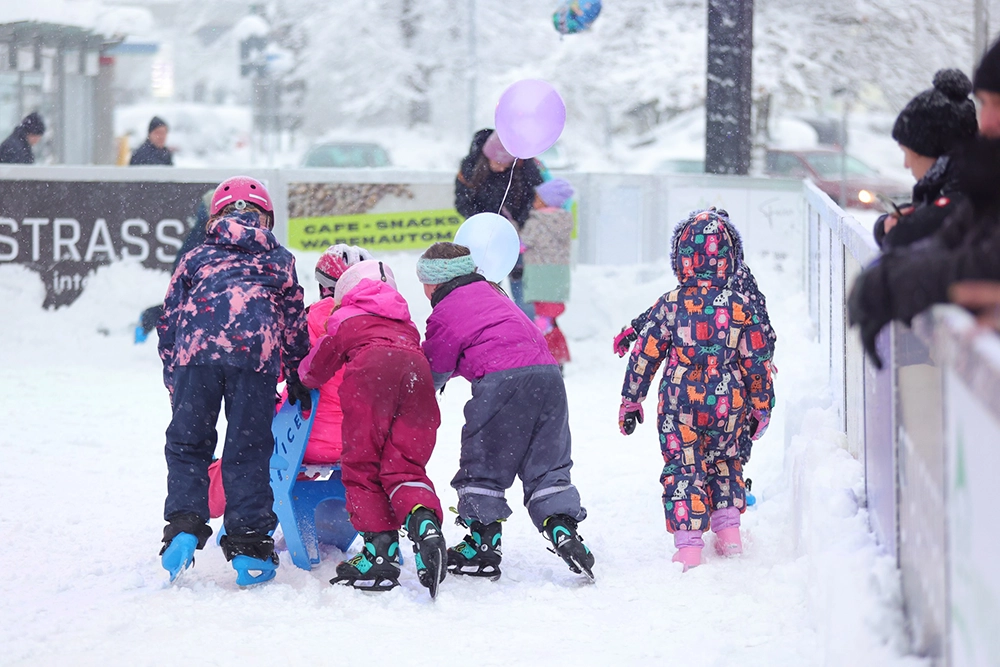
Key Trends in Synthetic Ice for 2026
1. Greater realism in synthetic ice surfaces
New technologies are enabling the development of surfaces with a texture even more similar to natural ice, providing a better experience for skaters and curling players. Reduced friction and optimized glide will be key to attracting both professionals and amateurs.
2. Expansion of curling into new markets
Curling is gaining popularity beyond its traditional markets in North America and Europe. Thanks to synthetic ice, the sport is being introduced to regions with warm climates where it was previously impossible to practice in an accessible and cost-effective way.
3. Events and competitions in unconventional spaces
More and more brands and cities are organizing events in iconic locations such as public squares, shopping malls, and even cruise ships. Synthetic ice rinks make it possible to bring skating and curling anywhere, creating unique experiences for the public.
4. Innovations in equipment and accessories
Skates and accessories used on synthetic ice are evolving to maximize performance. From skates with optimized blades to curling stones specifically designed for synthetic surfaces, the industry continues to adapt to new needs.
5. Greater focus on sustainability
Commitment to the environment will remain a priority. The zero use of water and electricity, along with the development of recyclable materials for rinks, will make synthetic ice an even more eco-friendly and attractive alternative.
6. Integration with digital technology
The use of augmented reality and interactive apps will enhance the user experience. From virtual training to automatic scoring systems in curling competitions, digitalization will be a key differentiator in 2026.
Conclusion
The future of skating and curling on synthetic ice in 2026 is exciting and full of opportunities. With advancements in technology, sustainability, and accessibility, this sector will continue to grow and conquer new markets. Are you ready to be part of this evolution?
Which trend excites you the most? Leave us your comment and share this article!
Frequently Asked Questions
What are the main synthetic ice trends for 2026?
Six trends will shape 2026: greater realism in the ice surface, curling expanding into new markets, events in unconventional spaces, innovation in equipment and accessories, a stronger focus on sustainability, and integration with digital technology.
Why is curling expanding into warm climates?
Because synthetic ice does not depend on refrigeration or sub-zero temperatures, curling rinks can be installed in regions where the sport was previously impossible to practice in an accessible and cost-effective way.
What role will digital technology play in synthetic ice in 2026?
Augmented reality and interactive apps will enhance the user experience, with virtual training and automatic scoring systems in curling competitions as key differentiators.
Where are synthetic ice rinks being installed?
Increasingly in unconventional locations such as public squares, shopping malls, and cruise ships, in addition to traditional sports facilities.